Restorative Economics: Healing & Development in Jackson County
“Restorative economics is the idea that economics can be a tool for healing and development in the community. Traditionally, economics has been seen as, how do we become as efficient as possible? How do we use all the resources? How do we grow bigger and faster? It becomes a tool for extraction that benefits a few and harms the community as a whole. But with restorative economics, we can turn economic development on its head by centering a local economy on people, the environment, and all of the different components that create a community. Profit and incentives are important, but through connection and conversation, we can help put them less at odds with the well-being of everyone in a community.
Restorative economics is really about creating strength and vitality by bringing people from all parts of the community together. That’s the first step–bringing people together to establish where the community is at, what its assets and challenges are, and then developing a plant from there. This creates sustainable revitalization because it’s built on the people and the assets that you have, and then strengthening them from the ground up. It’s a very grassroots approach that braids different aspects of the community together into a very strong, holistic system that is supportive, interdependent, and accountable. In turn, the community becomes healthier: greater health in the environment, finances, education, and in all aspects of the community. It’s not just about improving one facet of the industry or economy. It’s about everything, and you start seeing all of these pieces work together. For me, that’s what it’s about: an integrated approach, where all that comes together and is revitalized and supportive to each other.
Now, I know that sounds idealistic. There are still realities. But that’s why this approach is an evolution and something we’ll always be working towards, instead of a finish line. A consultant can come into a community, hand out a 100-page pre-determined plan, and make people feel like they’ve accomplished something. But if the community isn’t better off five or ten years later…did they really? What would’ve happened if instead, you spent time engaging with the community, building important relationships, and growing together in a sustainable way?
This is slow work. It’s not celebrated work. It’s not glamorous. But it is important work that I believe can restore and rejuvenate communities in ways that benefit everyone. It can change people’s lives when we think about having business, economics, and our approach really aligned with how we value and connect people. We can make things happen.
That’s really what’s great about Jackson, and what the Chamber is trying to do with Drive Jackson—they’re trying to make things happen by bringing everyone together around the table to ask, ‘How can we make this place better?’.
Working at Lean Rocket Lab is really exciting because I get to be surrounded by all these entrepreneurs and staff trying to make things happen. People can come in here and feel that energy and see how it continues to grow and build. I think that’s exciting for Jackson to have a space like this for supporting entrepreneurs.
I’m also excited for the future of Jackson. It has so many natural resources. We have so many lakes, a couple different preserves and hiking trails, and there seems to be a lot of interest in continuing to preserve and foster that. There are people interested in the arts with the Jackson School of the Arts. I used to live in Brooklyn. That downtown space is so different right now than it was when I first moved there five years ago and it’s wonderful to see all of the investment happening.
We’ve got a lot going on.”
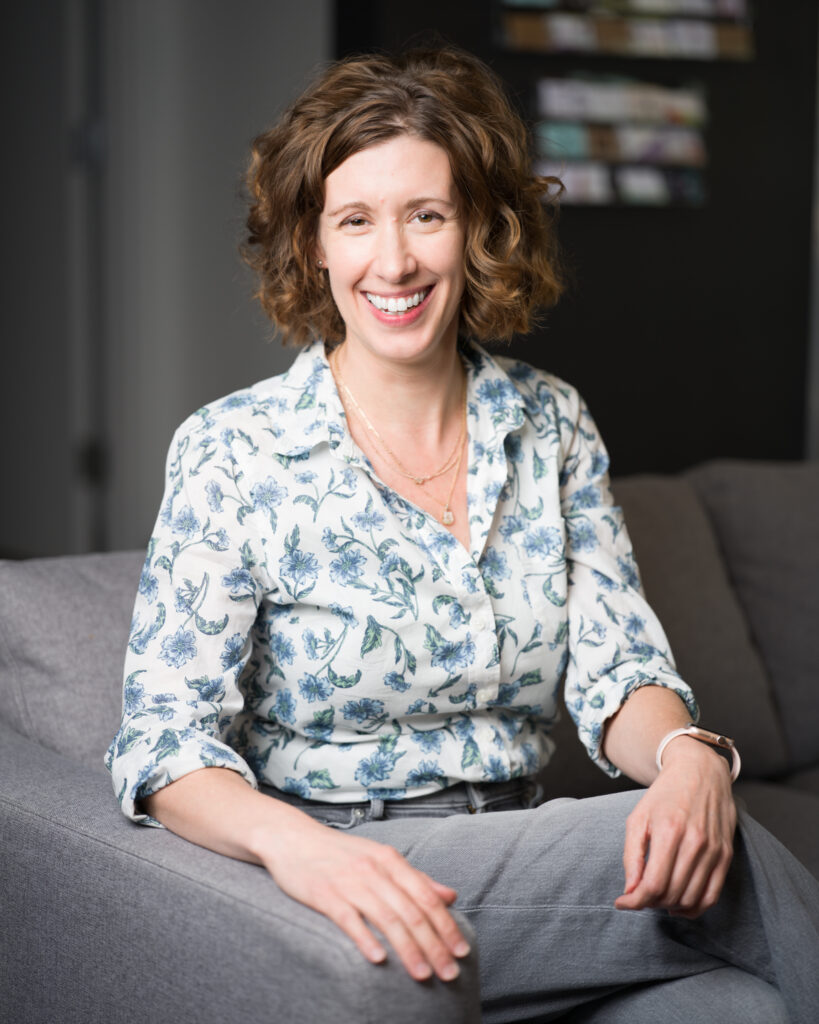
—Sarah Crane, Restorative Economics Group